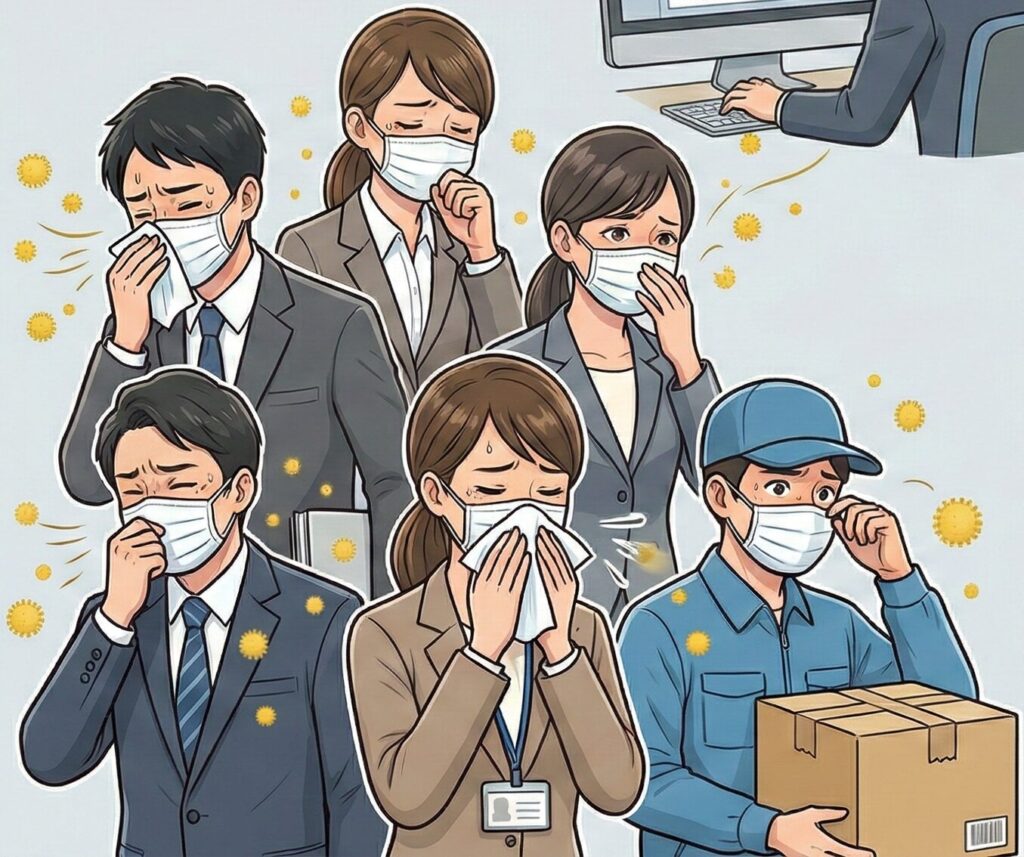
The Silent Economic Burden of Seasonal Allergies
Seasonal allergies, commonly known as hay fever, have become more than just a public health concern; they represent a significant drain on the global economy.
In countries like Japan, where the prevalence of pollen-related symptoms is exceptionally high, the condition is often referred to as a “national disease.
” Beyond the personal discomfort of sneezing and itchy eyes, the economic repercussions are vast, impacting labor productivity, consumer behavior, and healthcare spending.
The most substantial economic impact stems from a decrease in workforce productivity.
Research conducted by a major electronics firm suggests that the daily economic loss due to reduced work efficiency during the peak pollen season can exceed 200 billion yen.
This phenomenon, known as “presenteeism,” occurs when employees are physically present at work but operate at a lower capacity due to “brain fog,” lack of sleep, or the side effects of antihistamine medication.
Corporate surveys indicate that nearly 30% of companies report a noticeable decline in business operations during these months, with many citing reduced concentration among staff as the primary cause.
Consumer habits also shift significantly when pollen counts soar.
Studies on retail data show that overall consumption expenditure can drop by approximately 2% on days with high airborne pollen levels.
As sufferers choose to stay indoors to avoid exposure, retail foot traffic declines, affecting the service and hospitality industries.
While there is a temporary boost in the sale of anti-pollen goods—such as high-performance masks, air purifiers, and specialized eye drops—this does not fully offset the broader contraction in general consumer spending.
In response, some forward-thinking organizations have introduced “hay fever allowances,” subsidizing medical consultations and prescriptions to encourage early treatment.
Meanwhile, government authorities are pursuing long-term ecological solutions, such as large-scale reforestation programs to replace pollen-heavy trees with lower-allergen varieties.
While these initiatives require substantial upfront investment, they are increasingly viewed as essential strategies to safeguard the nation’s long-term economic vitality.
S_______ a________, c______ k____ a_ h__ f____, h___ b_____ m___ t___ j___ a p_____ h_____ c______; t___ r________ a s__________ d____ o_ t__ g_____ e______.
I_ c________ l___ Japan, w____ t__ p_________ o_ p_____-r______ s_______ i_ e____________ h___, t__ c________ i_ o____ r_______ t_ a_ a “n_______ d______.”
B_____ t__ p_______ d_________ o_ s_______ a__ i____ e___, t__ e_______ r____________ a__ v___, i________ l____ p___________, c_______ b_______, a__ h_________ s_______.
T__ m___ s__________ e_______ i_____ s____ f___ a d_______ i_ w________ p___________.
R_______ c________ b_ a m____ e__________ f___ s_______ t___ t__ d____ e_______ l___ d__ t_ r______ w___ e_________ d______ t__ p___ p_____ s_____ c__ e_____ 200 b______ y__.
T___ p_________, k____ a_ “p___________,” o_____ w___ e________ a__ p_________ p______ a_ w___ b__ o_______ a_ a l____ c_______ d__ t_ “b____ f__,” l___ o_ s____, o_ t__ s___ e______ o_ a__________ m_________.
C________ s______ i_______ t___ n_____ 30% o_ c________ r_____ a n_________ d______ i_ b_______ o_________ d______ t____ m_____, w___ m___ c_____ r______ c____________ a____ s____ a_ t__ p______ c____.
C_______ h_____ a___ s____ s___________ w___ p_____ c_____ s___.
S______ o_ r_____ d___ s___ t___ o______ c__________ e__________ c__ d___ b_ a____________ 2% o_ d___ w___ h___ a_______ p_____ l_____.
A_ s________ c_____ t_ s___ i______ t_ a____ e_______, r_____ f___ t______ d_______, a________ t__ s______ a__ h__________ i_________.
W____ t____ i_ a t________ b____ i_ t__ s___ o_ a___-p_____ g____—s___ a_ h___-p__________ m____, a__ p________, a__ s__________ e__ d____—t___ d___ n__ f____ o_____ t__ b______ c__________ i_ g______ c_______ s_______.
I_ r_______, s___ f______-t_______ o____________ h___ i_________ “h__ f____ a_________,” s__________ m______ c____________ a__ p___________ t_ e________ e____ t________.
M________, g_________ a__________ a__ p_______ l___-t___ e_________ s________, s___ a_ l____-s____ r____________ p_______ t_ r______ p_____-h____ t____ w___ l____-a_______ v________.
W____ t____ i__________ r______ s__________ u______ i_________, t___ a__ i_________ v_____ a_ e________ s_________ t_ s________ t__ n_____’s l___-t___ e_______ v_______.
■ Vocaburaly
Seasonal allergies
季節性アレルギー。
特定の季節にのみ発生するアレルギー症状の総称です。
Prevalence
普及、蔓延(率)。
ある病気や現象が特定の集団内でどの程度広がっているかを示す指標として使われます。
Economic repercussions
経済的影響、波及効果。
ある出来事が経済全体に及ぼす連鎖的な影響や結果を指します。
Labor productivity
労働生産性。
労働者一人あたり、または一定時間あたりに生み出される成果の割合のことです。
Workforce
労働力、従業員。
企業や国で働いている人々の総体を指します。
Presenteeism
プレゼンティーイズム。
体調不良を抱えながら出勤しているものの、本来の業務パフォーマンスが発揮できていない状態を意味する専門用語です。
Antihistamine
抗ヒスタミン薬。
アレルギー反応を抑えるための薬で、副作用として眠気を引き起こすことがよく議論されます。
Decline
減少、低下。
数値や質が以前の状態よりも低くなることを表し、ビジネスニュースで頻出する単語です。
Consumption expenditure
消費支出。
世帯や個人が商品やサービスの購入のために支払った金額の合計を指します。
Foot traffic
客足、人通り。
店舗や特定のエリアを訪れる歩行者の数のことで、小売業界で重視される指標です。
Offset
相殺する。
マイナスの影響を、別のプラスの要素や利益で埋め合わせることを意味します。
Subsidize
補助金を出す、助成する。
政府や組織が特定の活動を支援するために金銭的な援助を行う際に使われます。
Reforestation
再植林。
伐採されたり消失したりした森林に再び木を植えることで、環境対策の文脈でよく登場します。
Vitality
活力、生命力。
経済や組織が力強く活動し、成長し続けるためのエネルギーを指します。
Airborne
空気中の、飛散している。
花粉などが風に乗って空中を漂っている状態を説明する際に使われる形容詞です。
■ 和訳
季節性アレルギーがもたらす「見えない経済的損失」
季節性アレルギー(一般に花粉症として知られる)は、単なる公衆衛生上の懸念にとどまらず、世界経済にとって大きな負担となっています。特に日本のように花粉関連の症状の蔓延率が非常に高い国では、この状態は「国民病」としばしば称されます。くしゃみや目の痒みといった個人的な不快感を超えて、労働生産性、消費行動、そして医療費支出に及ぼす経済的影響は甚大です。
最も大きな経済的影響は、労働力の生産性低下に起因します。大手家電メーカーの調査によると、花粉飛散のピーク時における作業効率の低下による経済損失は、1日あたり2,000億円を超えると推定されています。「プレゼンティーイズム」と呼ばれるこの現象は、従業員が出勤はしているものの、頭がぼーっとする感覚や睡眠不足、あるいは抗ヒスタミン薬の副作用によって、本来の能力を発揮できていない状態を指します。企業アンケートでは、約30%の企業がこの時期に事業運営への目に見える影響を報告しており、その多くがスタッフの集中力低下を主な要因として挙げています。
また、花粉飛散量が増えると消費習慣も大きく変化します。小売データの研究では、花粉の飛散量が多い日には、全体の消費支出が約**2%**減少することが示されています。アレルギー患者が外出を控えるため、小売店への客足が遠のき、サービス業や飲食業に影響を与えます。高機能マスクや空気清浄機、専用の目薬といった「花粉対策グッズ」の売り上げは一時的に伸びるものの、全体的な消費支出の減少を補うまでには至りません。
これに対し、一部の先進的な組織では「花粉症手当」を導入し、早期治療を促すために受診料や薬代を補助する動きが出ています。一方、政府当局は、花粉の少ない品種へと植え替える大規模な森林整備など、長期的な生態学的解決策を追求しています。これらの取り組みには多額の先行投資が必要ですが、国の長期的な経済活力を守るための不可欠な戦略として、その重要性はますます高まっています。
ECOMでは、毎週これらの記事を、ディスカッション教材として使え、先生が音読の発音チェックもしてくれます。
興味がある方は体験レッスンをご活用ください。