Global Airfares Face Inflationary Pressure as Geopolitical Tensions Surge
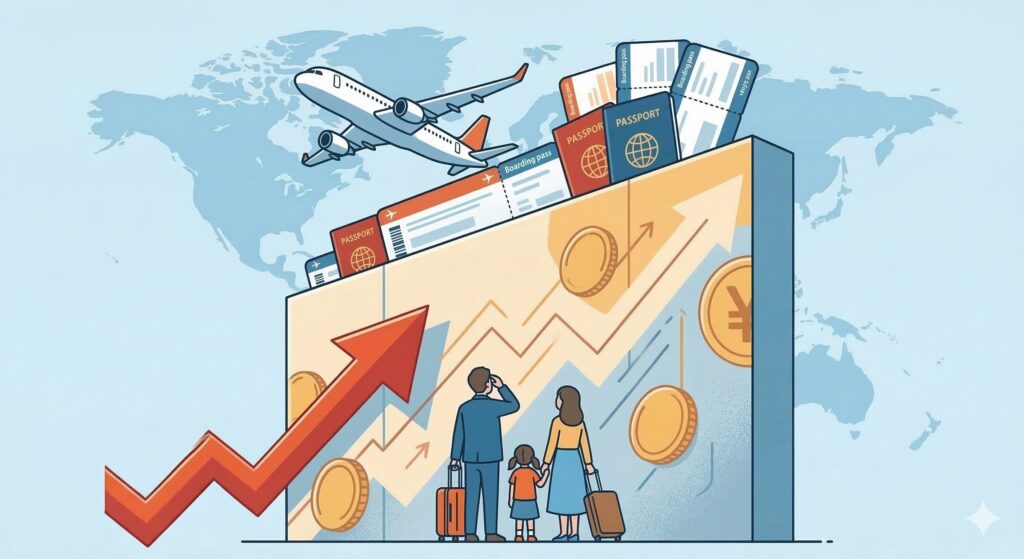
The global aviation industry is currently navigating a period of significant price volatility, with international airfares showing clear signs of inflation.
While travel demand remains robust following the post-pandemic recovery, several external factors are converging to push ticket prices higher for travelers worldwide.
A primary driver of this trend is the sustained surge in crude oil prices, which has directly impacted the cost of aviation turbine fuel.
Geopolitical instability in the Middle East, particularly involving tensions centered around Iran, has introduced substantial uncertainty into the energy markets.
Market analysts note that disruptions to critical shipping lanes and regional production have kept oil prices elevated, with benchmark crude often exceeding the 100-dollar-per-barrel mark during periods of heightened tension in 2026.
Beyond the raw cost of fuel, regional conflicts have forced many carriers to reroute international flights to avoid restricted or unsafe airspace.
These longer flight paths result in significantly higher fuel consumption and increased operational hours for flight crews, further straining airline budgets. For instance, routes connecting Europe and Asia have seen travel times extended by several hours in some cases, necessitating more fuel and resources per journey.
In response, many airlines have begun implementing phased fuel surcharges and fare adjustments.
According to a Chief Financial Officer of a major international carrier, the industry has little choice but to pass a portion of these rising operational costs on to consumers to maintain financial viability.
While some airlines utilize fuel hedging strategies to mitigate short-term spikes, the prolonged nature of the current regional instability is testing the limits of these financial buffers.
For passengers, this means the era of relatively stable post-recovery pricing may be giving way to a more expensive landscape.
Industry experts suggest that travelers should anticipate higher base fares and fluctuating surcharges for the foreseeable future.
As the global economy continues to grapple with energy supply challenges, the cost of reaching international destinations is likely to remain on an upward trajectory.
T__ g_____ a_______ i_______ i_ c________ n_________ a p_____ o_ s__________ p____ v________, w___ i____________ a_______ s______ c____ s____ o_ i________.
W____ t_____ d_____ r______ r_____ f________ t__ p___-p_______ r_______, s______ e_______ f______ a__ c_________ t_ p___ t_____ p_____ h_____ f__ t________ w________.
A p______ d_____ o_ t___ t____ i_ t__ s________ s____ i_ c____ o__ p_____, w____ h__ d_______ i_______ t__ c___ o_ a_______ t______ f___.
G___________ i__________ i_ t__ Middle East, p___________ i________ t_______ c_______ a_____ Iran, h__ i_________ s__________ u__________ i___ t__ e_____ m______.
M_____ a_______ n___ t___ d__________ t_ c_______ s_______ l____ a__ r_______ p_________ h___ k___ o__ p_____ e______, w___ b________ c____ o____ e________ t__ 100-d_____-p__-b_____ m___ d______ p______ o_ h________ t______ i_ 2026.
B_____ t__ r__ c___ o_ f___, r_______ c________ h___ f_____ m___ c_______ t_ r______ i____________ f______ t_ a____ r_________ o_ u_____ a_______.
T____ l_____ f_____ p____ r_____ i_ s___________ h_____ f___ c__________ a__ i________ o__________ h____ f__ f_____ c____, f______ s________ a______ b______.
F__ i_______, r_____ c_________ Europe a__ Asia h___ s___ t_____ t____ e_______ b_ s______ h____ i_ s___ c____, n____________ m___ f___ a__ r________ p__ j______.
I_ r_______, m___ a_______ h___ b____ i___________ p_____ f___ s_________ a__ f___ a__________.
A________ t_ a C____ F________ O_______ o_ a m____ i____________ c______, t__ i_______ h__ l_____ c_____ b__ t_ p___ a p______ o_ t____ r_____ o__________ c____ o_ t_ c________ t_ m_______ f________ v________.
W____ s___ a_______ u______ f___ h______ s_________ t_ m_______ s____-t___ s_____, t__ p________ n_____ o_ t__ c______ r_______ i___________ i_ t______ t__ l_____ o_ t____ f________ b______.
F__ p________, t___ m____ t__ e__ o_ r_________ s_____ p___-r_______ p______ m__ b_ g_____ w__ t_ a m___ e________ l________.
I_______ e______ s______ t___ t________ s_____ a_________ h_____ b___ f____ a__ f__________ s_________ f__ t__ f_________ f_____.
A_ t__ g_____ e______ c________ t_ g______ w___ e_____ s_____ c_________, t__ c___ o_ r_______ i____________ d___________ i_ l_____ t_ r_____ o_ a_ u_____ t_________.
■ Vocaburaly
・inflationary pressure インフレ圧力
物価を押し上げようとする経済的な力や傾向。
・volatility 変動性、不安定さ
価格などが激しく、予測困難に変化する様子。
・robust 堅調な、強い
需要や景気が非常に力強く、安定している状態。
・converging 集中する、収束する
複数の要因が一つの結果に向かって同時に重なり合うこと。
・sustained surge 持続的な急騰 価格などが一時的ではなく、長期間にわたって激しく上昇すること。
・geopolitical instability 地政学的な不安定さ
特定の地域の政治的対立や紛争が、世界情勢や経済に与える不安定な影響。
・shipping lanes 航路 貨物船などが頻繁に行き交う、海上や海域における決まったルート。
・reroute 経路を変更する 紛争や危険を避けるために、当初の飛行ルートや航路を別の道に変更すること。
・restricted or unsafe airspace 制限された、または危険な空域 紛争などで飛行が禁止、あるいは推奨されない空のエリア。
・operational hours 運航時間、稼働時間 航空機を飛ばしたり、スタッフが業務に従事したりする実質的な時間。
・fuel surcharges 燃油サーチャージ(燃料付加運賃) 燃料価格の高騰分を補うために、基本運賃に上乗せされる追加料金。
・financial viability 財務的な存続可能性 ビジネスが赤字にならず、経済的に成り立ち、継続できる能力。
・pass a portion of … on to consumers コストの一部を消費者に転嫁する 企業が増加した経費を自社で吸収せず、価格に反映させて客に負担してもらうこと。
・fuel hedging strategies 燃料ヘッジ戦略 将来の燃料価格をあらかじめ一定の価格で予約することで、急激な価格高騰のリスクを回避する手法。
・upward trajectory 上昇軌道、増加傾向 数値や状況が右肩上がりに進んでいく、上昇の道のり。
■ 和訳
地政学的緊張の高まりを受け、世界的に航空運賃にインフレの兆し
世界の航空業界は現在、大幅な価格変動に直面しており、国際線の航空運賃に明確なインフレの兆しが現れています。パンデミック後の回復に伴い旅行需要は引き続き堅調ですが、複数の外部要因が重なり、世界中の旅行者にとってチケット価格を押し上げる要因となっています。
この傾向の主な要因は、原油価格の高止まりが続いており、それが航空燃料(ATF)のコストに直接影響を与えていることです。特にイランを巡る緊張を中心とした中東の地政学的な不安定さが、エネルギー市場に大きな不確実性をもたらしています。市場アナリストは、主要な航路の混乱や地域的な生産への影響により、2026年の緊張が高まった時期にはベンチマーク原油がしばしば1バレル100ドルを超える水準で推移していると指摘しています。
単なる燃料コストの上昇だけでなく、地域紛争の影響で多くの航空会社は制限された、あるいは危険な空域を避けるために国際線の経路変更を余儀なくされています。これらの飛行ルートの長期化は、燃料消費量の大幅な増加と乗務員の稼働時間の延長を招き、航空会社の予算をさらに圧迫しています。例えば、欧州とアジアを結ぶ路線では、飛行時間が数時間延長されるケースもあり、1回の飛行につきより多くの燃料とリソースが必要となっています。
これを受けて、多くの航空会社は段階的な燃油サーチャージの導入や運賃の調整を開始しています。ある大手国際航空会社の最高財務責任者(CFO)によれば、財務的な存続を維持するためには、これら上昇する運航コストの一部を消費者に転嫁せざるを得ない状況です。一部の航空会社は短期的な価格高騰を抑えるために燃料ヘッジ戦略を活用していますが、現在の地域情勢の不安定さが長期化していることで、こうした財務的な緩衝材も限界に達しつつあります。
乗客にとって、これはパンデミック後の比較的安定していた価格設定の時代が、より高額な状況へと移行しつつあることを意味します。業界の専門家は、旅行者が当面の間、基本運賃の上昇やサーチャージの変動を覚悟すべきだと示唆しています。世界経済がエネルギー供給の課題に直面し続ける中、国際目的地への渡航費用は、2026年を通じて、またそれ以降も上昇傾向が続く可能性が高いでしょう。
ECOMでは、毎週これらの記事を、ディスカッション教材として使え、先生が音読の発音チェックもしてくれます。
興味がある方は体験レッスンをご活用ください。